
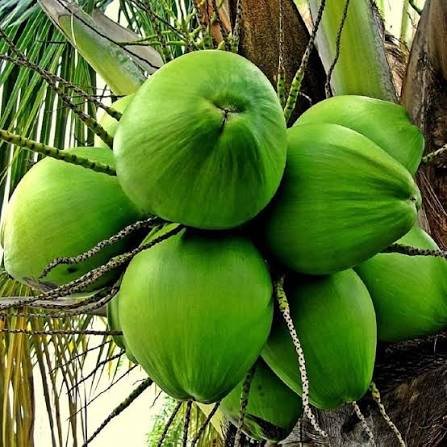
Grow the Premium Kerala Coconut at Home
The Kerala Coconut Plant is a traditional coconut variety associated with the tropical growing conditions of Kerala and is valued for its lush green foliage, strong palm growth, and ability to produce versatile coconuts. It is an excellent choice for gardeners looking to bring an authentic tropical character to their landscape while growing a useful fruit crop.
With abundant sunlight, warm temperatures, regular watering, and fertile well-draining soil, the Kerala Coconut Plant can thrive in suitable climates. It is best suited for spacious gardens, farms, orchards, and open landscapes where the palm has sufficient room for long-term growth.
Key Features
- Kerala-associated coconut variety
- Lush, tropical green foliage
- Vigorous palm growth under suitable conditions
- Produces versatile coconuts
- Coconut water and edible kernel have multiple uses
- Suitable for warm tropical climates
- Ideal for gardens, farms, and orchards
- Adds a classic tropical appearance to landscapes
Plant Specifications
| Attribute | Details |
|---|---|
| Botanical Name | Cocos nucifera |
| Common Name | Kerala Coconut |
| Variety | Kerala Coconut |
| Plant Type | Tropical Fruit Palm |
| Fruit Type | Coconut |
| Fruit Appearance | Green when immature, brown when mature |
| Fruit Uses | Coconut water and edible kernel |
| Growth Habit | Tall Palm |
| Sunlight | Full Sun |
| Water Requirement | Moderate to High |
| Fruiting | After establishment under favourable conditions |
| Suitable For | Gardens, Farms, Orchards & Open Landscapes |
Fruit Characteristics
Fresh Coconut Water
Young coconuts provide refreshing coconut water and are widely valued as a natural beverage in tropical regions.
Nutritious Edible Kernel
Mature coconuts develop a firm edible kernel that can be used in cooking, desserts, chutneys, curries, and coconut milk.
Versatile Household Uses
Coconut is one of the most versatile tropical fruits, with applications ranging from beverages and food preparation to traditional household uses.
Uses
- Fresh coconut water
- Edible coconut kernel
- Coconut milk and cooking
- Desserts and sweets
- Chutneys and curries
- Traditional food preparations
- Tropical landscaping
- Home gardens and orchards
Growing Requirements
| Requirement | Details |
|---|---|
| Sunlight | 6–8+ hours of direct sunlight |
| Watering | Regular and consistent |
| Soil | Deep, fertile and well-draining |
| Soil pH | Slightly acidic to neutral |
| Temperature | Warm tropical conditions |
| Drainage | Excellent drainage required |
| Location | Open, sunny garden or orchard |
Care Instructions
Sunlight
Place the plant in an open location with plenty of direct sunlight. Coconut palms perform best when they are not heavily shaded.
Watering
Water regularly, particularly during hot and dry periods. Maintain adequate moisture while ensuring excess water drains away freely.
Soil & Fertilization
Use fertile, well-draining soil enriched with organic matter. Periodic feeding with a suitable coconut or palm fertilizer can support healthy growth and fruit production.
Space
Provide generous space around the plant for long-term development. Coconut palms are much better suited to open ground than small containers.
Pest & Disease Care
Inspect the palm regularly for signs of pests, leaf damage, or disease. Good drainage and balanced nutrition help maintain healthy growth.
Kerala Coconut for Home Gardens
The Kerala Coconut Plant is a beautiful choice for creating a traditional tropical landscape while offering the possibility of harvesting fresh coconuts. Its tall palm form and lush foliage make it especially suitable for spacious home gardens, farms, and orchards in warm climates.
Frequently Asked Questions
What is Kerala Coconut?
Kerala Coconut refers to coconut plants associated with Kerala’s traditional tropical coconut-growing environment.
Can Kerala Coconut be grown in a pot?
Young plants can be grown temporarily in large containers, but open-ground cultivation is preferable for long-term growth.
How much sunlight does it need?
Around 6–8 hours or more of direct sunlight daily is generally beneficial.
What soil is best for coconut?
Deep, fertile, well-draining soil enriched with organic matter is suitable. Avoid waterlogged areas.
What climate is suitable?
Warm tropical and suitable subtropical climates are ideal for healthy coconut growth.
Product Attributes
| Attribute | Kerala Coconut Plant |
|---|---|
| Variety | Kerala Coconut |
| Botanical Name | Cocos nucifera |
| Plant Type | Tropical Fruit Palm |
| Fruit | Coconut |
| Fruit Uses | Coconut Water & Edible Kernel |
| Sunlight | Full Sun |
| Water Requirement | Moderate to High |
| Container Friendly | Limited; Open Ground Preferred |
| Best For | Gardens, Farms & Orchards |
Reviews
There are no reviews yet.